 قدرات التصنيع الدقيق: الخراطة السويسرية، والطحن باستخدام الحاسوب، والمواد، والفحص
Jan 29, 2026
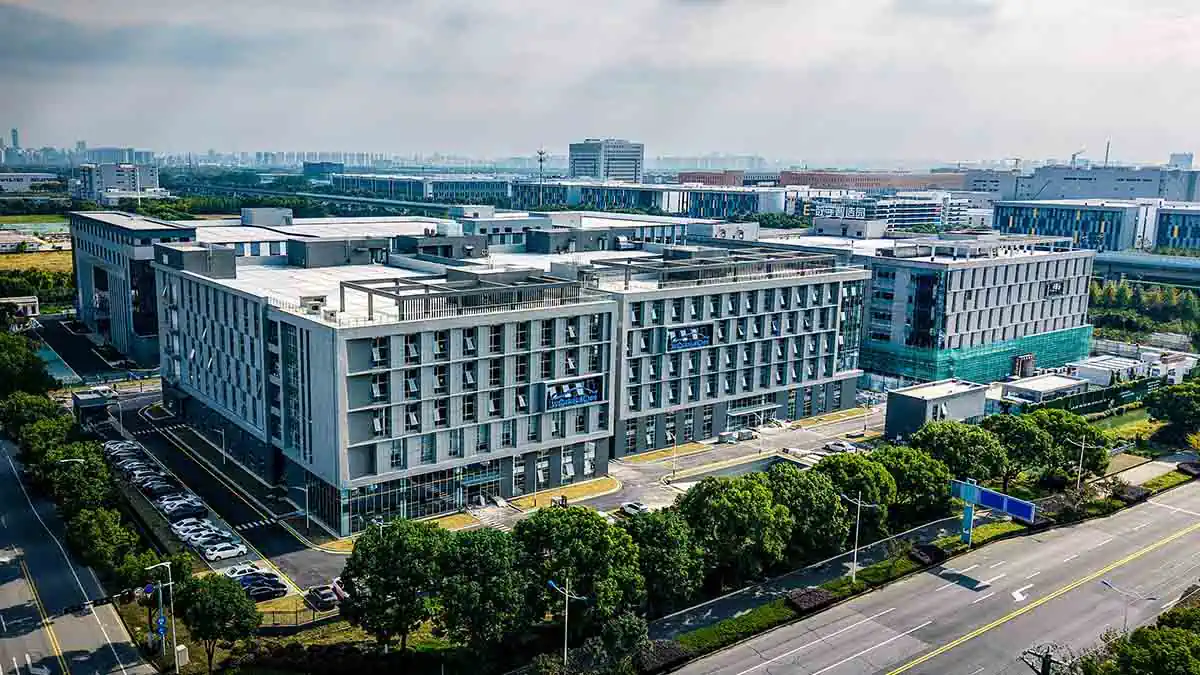
هذه الصفحة عبارة عن نظرة عامة عملية على قدراتنا في مجال التصنيع الدقيق للمكونات عالية الدقة، والتي تم بناؤها حول قاعدتين للتصنيع في سوتشو وووهان. إذا كنت ترغب في تسريع عملية تقديم العروض، فأرفق الرسومات والمواد ومتطلبات السطح والأبعاد التي تعتبرها بالغة الأهمية. يمكنك إرسالها عبر info@workersbee.com . لمحة عن القدراتتشمل قدراتنا التصنيعية من النوع السويسري 66 ماكينة سويسرية مستوردة من شركتي تسوغامي وسيتيزن (48 في سوتشو و18 في ووهان). وتشمل الطرازات المشمولة سيتيزن A20/A12 وتسوغامي S206 وB.O385، بO325، بO265، بOتدعم هذه الماكينات طرازات 205 وBO204 وBO203، المزودة بوحدات تغذية قضبان أوتوماتيكية. كما تدعم هذه الماكينات عمليات التشغيل الآلي حتى 6 محاور، بالإضافة إلى عمليات الخراطة والطحن متعددة الأوجه (الأمامية/الخلفية/الجانبية) في عملية إعداد واحدة. تشمل قدرة مركز التصنيع لدينا 27 مركز تصنيع دقيق، منها 16 مركزًا مزودًا بمحور رابع ومركز واحد مزود بإعداد خماسي المحاور، مما يتيح الحفر والطحن والتثقيب متعدد الأوجه في عملية تثبيت واحدة. يشمل دعم الجودة فريق تفتيش متخصص مكون من 25 فرداً ونظامي تفتيش آليين لفحص القطر الداخلي والطول الإجمالي، مع الفرز والعد التلقائي. لمحة عن القدراتمنطقةالأنسبالسمات النموذجية للأجزاءالتركيز على الجودةالخراطة على الطريقة السويسريةالأجزاء المحورية ذات التمركز الدقيق تحتاجأقطار صغيرة، وهندسة نحيلة، وميزات متعددة محاذية لمحور واحدالمحورية، والتحكم في النتوءات، والتكرارية عبر الحجمالطحن باستخدام الحاسوب (4/5 محاور)ميزات متعددة الأوجه أو بيانات مستويةثقوب متقاطعة، وجيوب، وأسطح مائلة، وخطوط محيطية معقدةموضع الميزة إلى الميزة، وثبات التثبيت، واتساق الدفعةالعمليات الثانويةالمظهر، حالة الحواف، والنظافةإزالة النتوءات، وتوحيد الملمس، وتنظيف الأجزاء لتكون جاهزة للتجميع.اتساق حواف القطع، حالة السطح، التحكم في البقاياالفحص والأتمتةالفحص عالي الحجم والقياس المستقرفحص القطر الداخلي والطول، والفرز والعدمواءمة الأساليب، منطق الرفض، إمكانية التتبع الخراطة السويسرية (التشغيل الآلي من النوع السويسري)تُعدّ عمليات التشغيل الآلي من النوع السويسري خيارًا مثاليًا عندما يكون المرجع الوظيفي محورًا أسطوانيًا، ويجب أن تبقى العديد من العناصر محاذية لهذا المحور. ويعني انخفاض عدد مرات إعادة التثبيت عادةً تقليل فرص حدوث أخطاء تراكمية. تم بناء خط الخراطة السويسري الخاص بنا حول معدات Tsugami و Citizen وتم تكوينه للتشغيل الآلي متعدد المحاور مع حوامل أدوات تعمل بالطاقة، مما يتيح معالجة مركبة الخراطة والطحن عبر وجوه متعددة مع الحفاظ على محاذاة دقيقة للمحور الرئيسي. الطحن باستخدام الحاسوب والتشغيل متعدد المحاورتصبح عملية الطحن هي العملية الرئيسية عندما تهيمن على هندستك بيانات مستوية، أو أنماط ميزات متعددة الأوجه، أو جيوب/خطوط محيطية غير فعالة في مسار الدوران أولاً. تتضمن مساحة مركز التصنيع لدينا إمكانية 4 محاور و 5 محاور لإكمال عمليات الحفر والطحن والتثقيب متعددة الأوجه تحت تثبيت واحد، مما يساعد على حماية علاقات الميزات ويقلل من الانحراف الموضعي عبر الدفعات. العمليات الثانوية والتشطيبلا تنشأ العديد من النزاعات في الإنتاج بسبب الأبعاد، بل بسبب حالة الحواف، وتجانس السطح، وتوقعات النظافة التي لم يتم تحديدها مسبقاً. ندعم خطوات ما بعد التصنيع الشائعة مثل التشطيب المغناطيسي، والتنظيف بالرمل الرطب والجاف، والتشطيب بالطرد المركزي والاهتزازي، والتنظيف بالموجات فوق الصوتية. يساعد ذلك في التحكم في النتوءات، ومظهر السطح، والمخلفات بعد القطع. عند الحاجة إلى عمليات سطحية إضافية، يمكننا التنسيق مع شركاء على المدى الطويل في مجال الطلاء الكهربائي، والأنودة، والرش، والتلميع الإلكتروليتي، والمعالجة الحرارية. المواد التي نقوم بتصنيعهايؤثر اختيار المواد على تآكل الأدوات، وسلوك النتوءات، ومخاطر السطح، وحتى على كيفية ووقت القياس. نقوم بتشكيل مجموعة واسعة من المعادن والبلاستيك الهندسي، بما في ذلك الفولاذ المقاوم للصدأ (SUS303/304/316L، 630/17-4)، والفولاذ (1215/1144/S45C)، وسبائك النحاس (C3604/C3602 والدرجات ذات الصلة)، وسبائك الألومنيوم (6061-T6/6063/7075-T6 وغيرها)، والبلاستيك الهندسي (PEEK، PTFE، POM)، وسبائك النيكل والحديد في عائلة Kovar (4J29/4J36/4J42). نظرة عامة على الموادعائلة الموادأمثلةماذا تشاهدما الذي يجب توضيحه في طلب عرض الأسعار/الرسم؟الفولاذ المقاوم للصدأSUS303/304/316L، 17-4التحكم في النتوءات، وتآكل الأدوات، وتجانس السطحالأسطح الوظيفية، كسر الحواف، المناطق المعرضة للتآكلفُولاَذ1215/1144/S45Cاستقرار الحرارة والتشطيب، واحتياجات ما بعد المعالجةمتطلبات المعالجة الحرارية، مخطط البيانات، أبعاد CTQسبائك النحاسC3604/C3602التلطخ والحساسية للنتوءات، علامات سطحيةالأسطح التجميلية مقابل الأسطح الوظيفية، ومناطق الطلاء إن وجدتسبائك الألومنيوم6061-T6/6063/7075-T6حساسية للخدش، سلامة الحوافملاحظات التعامل، مناطق الأنودة، فئة السطحالبلاستيك الهندسيPEEK/PTFE/POMالتشوه واستعادة الأبعاد، النتوءات/الخيوطتوقيت القياس، والملاءمة، ومتطلبات النظافةسبائك النيكل والحديدكوفار 4J29/4J36/4J42التحكم الدقيق في العملية، وتآكل الأدواتالأبعاد الحرجة، طريقة الفحص، ملاحظات التعامل فحص الجودة والأتمتةيبدأ الفحص الجيد بالاتفاق على الهدف: ما هي الأبعاد الحاسمة، وكيفية قياسها، وما هو شكل التقرير الذي تريده في كل مرحلة. نحن ندعم القياس والفحص بفريق متخصص مكون من 25 فرداً، بما في ذلك قياس الصور، وقياس الوميض، وقياس الخشونة، وسمك الطلاء، والتصوير المجهري بالفيديو، بالإضافة إلى المقاييس القياسية والميكرومترات لإجراء الفحوصات الروتينية والدقيقة. في عمليات الفحص بكميات كبيرة، نستخدم نظامي فحص آليين للتحقق من القطر الداخلي والطول الإجمالي. يعتمد قياس القطر الداخلي على نظام قياس ثنائي الاتجاه (قبول/رفض)، بينما يعتمد قياس الطول الإجمالي على مستشعرات التلامس. يتم فصل الأجزاء غير المطابقة تلقائيًا حسب نوع العيب، ويدعم النظام العد التلقائي. الصناعات وأنواع المكونات النموذجيةنحن ندعم المكونات الدقيقة والخدمات التقنية ذات الصلة للتطبيقات في مجالات الاتصالات البصرية، والطبية، والسيارات، ومكونات التبريد السائل، والأجزاء المتعلقة بالموصلات. تُركز الصناعات المختلفة على مخاطر متباينة. فالمكونات البصرية ومكونات الموصلات غالباً ما تُركز على الملاءمة وحالة السطح. أما المكونات الطبية فترفع سقف التوقعات فيما يتعلق بالاتساق والنظافة وسجلات الفحص. بينما تتطلب برامج صناعة السيارات عادةً إنتاجاً مستقراً بكميات كبيرة، حيث تصبح استراتيجية الفحص بنفس أهمية عملية التصنيع نفسها. من طلب عرض الأسعار إلى الإنتاجمراجعة طلب عرض الأسعار والرسومات ← ملاحظات حول التصميم للتصنيع ← بناء عينة ← تقرير القياسات ← تشغيل تجريبي ← الإنتاج بكميات كبيرة ← الفحص النهائي ← التعبئة والشحن تبدأ المشاريع الأسرع عادةً بأبعاد CTQ واضحة، وطرق قياس متفق عليها، ومتطلبات تشطيب تميز الأسطح الوظيفية عن الأسطح غير الوظيفية. قائمة التحقق من طلب عرض الأسعارغرضما الذي يجب تقديمه؟لماذا يفيد ذلكالرسوماترسم ثنائي الأبعاد + نموذج ثلاثي الأبعاد إن وجدمراجعة أسرع وافتراضات أقلمادةالدرجة/المعيار، والبدائل المقبولةتخطيط العمليات والتحكم في المخاطر السطحيةمتطلبات السطحالهدف + حيث ينطبقيتجنب النزاعات المتعلقة بالمظهر وإعادة العملأبعاد CTQتحديد السمات الأساسية ونظام الإسنادينسق خطة التحكم وجهود التفتيشالتسامحالمناطق المشددة مقابل المناطق المتساهلةيمنع عوامل التكلفة غير الضروريةاحتياجات التفتيشنوع التقرير ومنهجية أخذ العيناتيضمن توفير موارد القياس المناسبةتوقعات الدفعةالنموذج الأولي / الدفعة الصغيرة / وتيرة الإنتاج بكميات كبيرةيرشدك الدليل إلى عملية الاختيار والفحص المناسبين.التعبئة والتغليف/الوسماحتياجات الحماية والهويةيقلل من خطر التلف والخلطالسريةمتطلبات اتفاقية عدم الإفصاح (إن وجدت)يوضح حدود التعامل جاهزون لمراجعة رسوماتك. أرسل ملفاتك ثنائية/ثلاثية الأبعاد عبر البريد الإلكتروني مع المواد ومتطلبات السطح وأبعاد CTQ إلى info@workersbee.comوحدد الكمية المستهدفة (نموذج أولي، دفعة صغيرة، أو كمية كبيرة). سنؤكد ملاحظات قابلية التصنيع ومنهجية الفحص قبل أخذ العينات.
اقرأ المزيد


 اتصل بنا


 IPv6 الشبكة المدعومة
 عربي
عربي